Weeknote 41
"Little hand says it's time to rock and roll" A very busy and productive week. Time in airtable, writing docs, getting stuff sorted for TechFreedom. Still managed to write two posts, and go for a good run in the hills. Usual interesting things, including digital kite flying
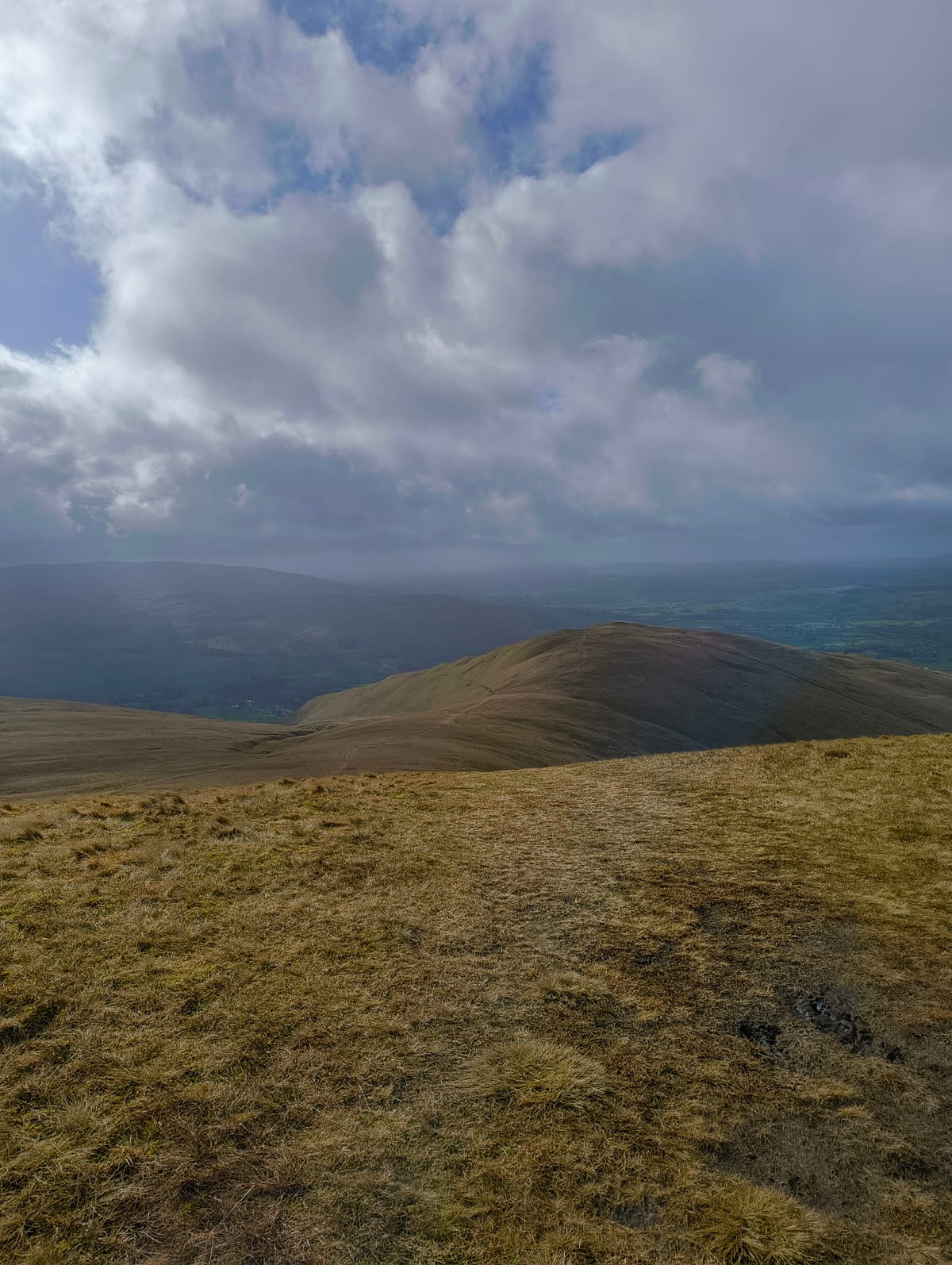
"Little hand says it's time to rock and roll" *
I've a lot on at the moment, this is a not un-nice problem to have, but it has meant that I've had to really crack on this week. I've enjoyed it, but I can only keep this pace for a short while because it is A LOT
- Airtable coaching. Walked through some bits with an organisation I'm supporting. They've started to get the hang of it now, have built their own bases, and are now getting into more complex things, like multi step entries and automations
- More Airtable as that project I mentioned I was behind on last week really needed doing. I finished one base, tested it, refined it as it was still overkill. Had to custom script an interface to allow data entry to 4 tables from one form as it's the only simple way to do it without external tools. Thankfully it's just JS with some slightly weird Airtable specific syntax. Never had to do this before so that was fun. Think it's made the process easier for data entry but it's still slow for the people doing it.
I have pondered automating some of this (maybe a firecrawl/inngest set up?) but we'd still need all the websites and that's part of the problem...the other problem is that those websites don't readily list information in the way we want (schemas and standards eh, who needs them) - Visited an organisation I'd helped craft a Theory of Change with. They have come a long way, using it to check themselves, think about funding, learn. This is the good stuff. It doesn't matter what it looks like really, it's whether it's USED. They'd also adjusted some of the language subtly to be stronger, which was really good to see.
- Wrote up and sent over two scoping documents for organisations looking for new CRM's
- Met with Doug to finalise a few things for TechFreedom and get the first sign ups sorted. Somehow managed to land doug with all the actions. If you are thinking at all about your tech for your organisation, sign up to the first cohort, it will never be this cheap again!
- Met with Jo about The List and did a few upgrades and changes. The List officially turns two next week, the website is probably 6 or 7 months now. Over 2000 subscribers!
- Wrote up a recap document from last weeks workshop with CASORT and caught up with Stu. Hope to keep working with them.
- Wrote two sessions for a residential next week, both three horizons related, one looking inward at your own organisations resilience, one transitioning to collective resilience. Created some nice visuals and handouts also. Then wrote the broader approach to the Collective Resilience work, still working to this definition
The capacity of interconnected organisations - across sectors, causes and communities - to anticipate, prepare for, respond to, and adapt collectively to change, disruption, and uncertainty in order to sustain shared purpose, maintain the health of the whole, and enable the conditions for renewal.
Where organisational resilience focuses on the adaptive capacity of a single body, collective resilience lives in the connections between bodies : the trust, the shared learning, the diversity of roles, understanding and the willingness to act with and for each other.
Collective resilience is not simply the sum of the resilience of individual organisations. It depends on the strength and quality of relationships, trust, learning, communication, and shared purpose between actors - whether charities, social enterprises, funders, public bodies, grassroots movements, community groups or traditional businesses.
It recognises that in complex social systems, resilience lies in connection, not isolation. When one organisation contracts or changes direction, others can adapt, redistribute capacity, and sustain continuity of purpose.
Collective resilience is therefore an ecosystem property - rooted in shared awareness, collaborative decision-making, adaptive governance, and the ability to learn, act, and evolve together amid uncertainty and change.
In a resilient ecosystem, capacity is distributed, knowledge is shared, and adaptation is collective.
Writing
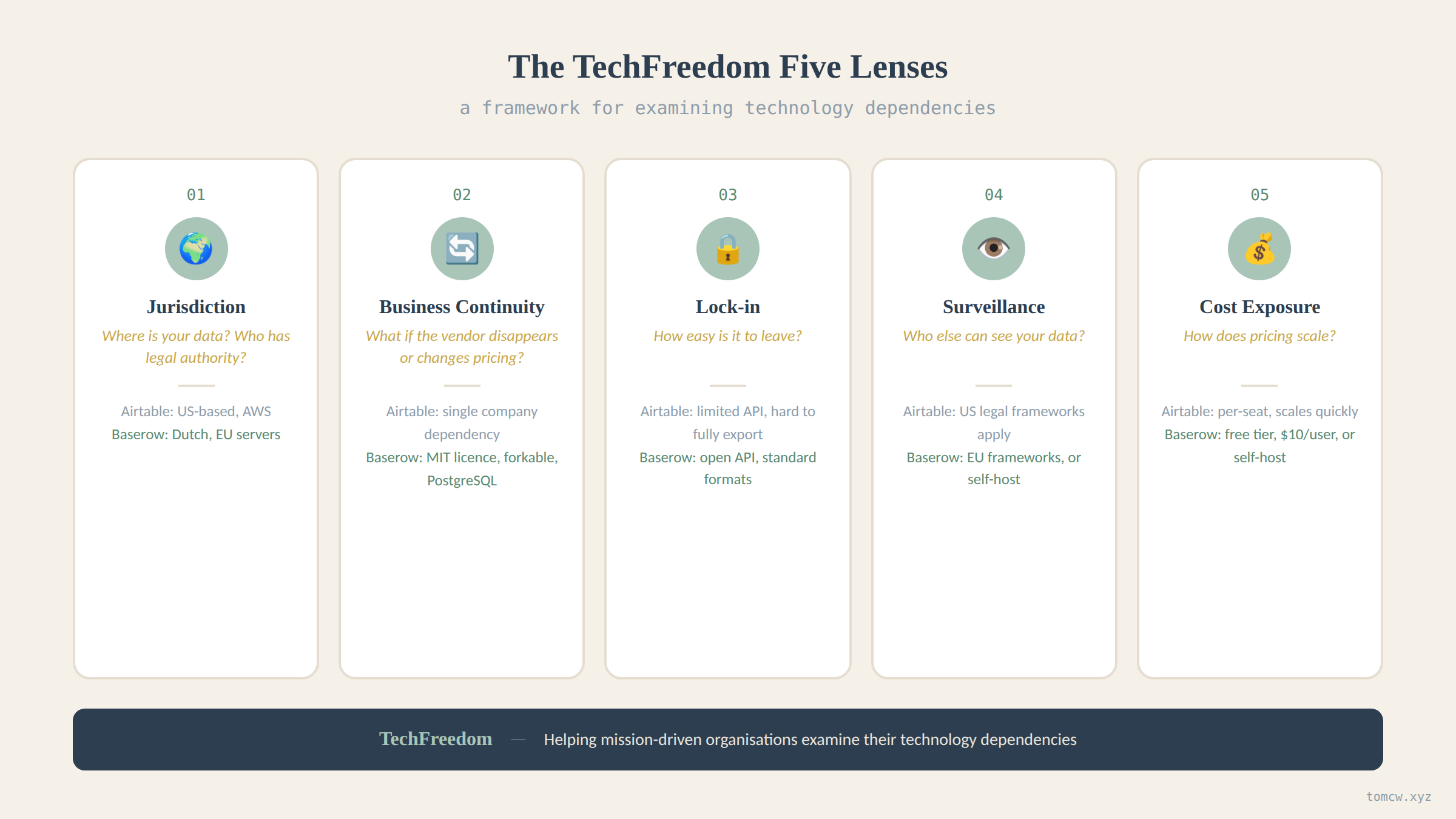
- Wrote two posts this week. The first one was called Exploring conversational database building. It was related to some of the Airtable work I'd been doing, where I ended up creating MCP servers for Airtable and Baserow and why open source alternatives make this stuff work better. I also used these as real examples of the TechFreedom lens.
- The second post I thought might be a little controversial called What has the IMD ever done for us? where I challenged the notion of the Index of Multiple Deprivation as the default way of thinking we are doing something to solve problems. It actually generated a lot of good conversation and people seemed to take it in the right way. Had several people message me in private to say they liked it, even if they couldn't say that in public. Also had a comment on my favourite line which was "is this just NPM (New Public Management) wrapped up in maps."
Several people also sent me things that showed I wasn't alone in this thinking! - Wrote two new skills for Claude code and added them to my repo
- Developed a couple of new features for Flowlance and did some improvements based on user feedback. You can now build 90% of a product in a day, but the value is in the 10% and that stuff still takes ages...
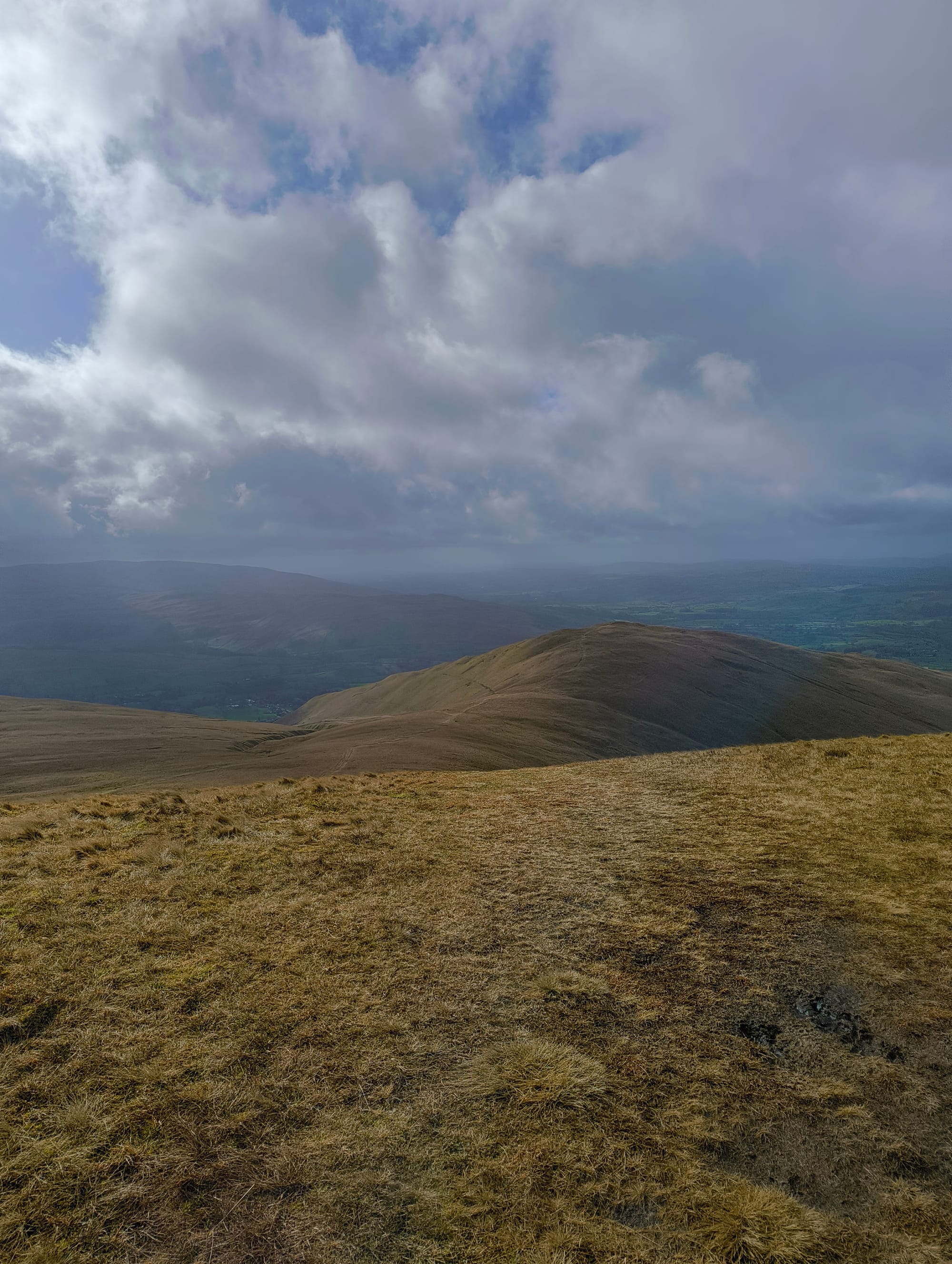
Whew, all that in 4 days, as I also managed to squeeze in a run in the hills with a friend. Quick dash to the Howgills. It was super windy! Lovely though. Feel like the running mojo is back. Howgills is one of my favourite places, it's basically the lakes, but quiet.
Random thoughts
AI evaluations are everywhere, big business and very useful. But mostly they are technical exercises. When assessing new models and platforms I like to also do something simple, I ask a question. Well obviously Tom. But before I ask the question, I think about the answer, deeply, I consider it, from as many different angles as possible. So it has to be a question and topic I know something about. And then I check the response against my thoughts. It's a good way to check quality, approach, vibe. Of course it is subjective, but mostly all this is subjective. I think it's also a good way to think about how you introduce any new product to users where they might need to ask questions. Mostly people ask questions that are too easy (so the response is meaningless) or too difficult (so the product feels useless). Also, this approach helps me continue to keep skills rather than just outsource my thinking.
*yes it's a quote from Point Break.
Links This Week
- Want to fly a kite?
- The Price of initiative just collapsed - From libraries to large models: why the next divide is between people who try things and people who don’t.
- Capture at Human Speed - NSCT - AI makes everything possible and nothing restful. Staying intentional means acting on your terms — not reacting to every opportunity the moment it appears.
- Klatch — Own your Claude conversations - A local-first, channel-based interface for managing all your Claude AI interactions. Your data, your prompts, your machine.
- UX Mobility: Multi-User Walkability Route Planner - Transform Transport -
very cool! - Pride in Place: funding gaps and capacity challenges - New analysis shows the areas overlooked for Pride in Place funding and highlights the need to strengthen capacity in funded areas, so plans are genuinely community-led.
- Why social infrastructure matters for economic security - Economic security isn’t just about money, local connections and community support matter too. Pride in Place is a key intervention, but new analysis identifies two key challenges.
- ‘Below the Radar’: understanding some of the UK’s smallest charities
- uk_address_matcher - Fast, simple address matching (geocoding) in Python
- Gallery – Interactive Visualization Examples | VisQuill - Browse interactive data visualizations built with VisQuill — covering permafrost mapping, election results, sun maps, glacier data, climate change, and more
- Companies House suspends online filing after glitch put personal data at risk - oof, and you thought you were having a bad security day....