Weeknote 57
TL;DR: busy. Lots of client work, some exciting things, starting something new, workshops, building new things even though I said I wouldn’t, late nights with life, nice pastries, decent running, campervan insulation and possibly the greatest mushroom and lentil wraps ever created.
A bit of a late weeknote after last week.
Work, workshops and changing the plan
- Monday was mainly one of those properly packed client days. Lots of back-to-back meetings, trying to get as much done as possible before I do my summer disappearing act in a campervan (which one is still to be determined by how much I get my new one finished)
- Lots around CRMs, data, people trying to make decisions, organisations working out what they actually need before they choose the thing that will apparently solve everything. Pretty standard stuff really.
- Tuesday I was down with Sheffield Futures for a workshop. I generally start any session with a bit of a recap: this is what we did last time, this is what I think we’re doing today, this is the plan, is that okay?
Usually that question is sort of rhetorical. Everyone nods and goes yes, yes, definitely.This time the team basically said, no, that is not what we’re doing. Which, in one way, is a bit scary as a facilitator. You’ve done the prep, you’ve got the structure in your head, you’ve thought through the flow, and then suddenly you've got to change it up.
But in another way, it felt like a good sign. It showed there was enough trust for them to say it. They’d had a meeting, decided they needed to go in a different direction, and that communication hadn’t quite got to me. Which is fine. That happens.
So we got some pens out, got some flip chart paper out, and started mapping things. Lots of conversation, lots of working out how different parts of the organisation connect, and hopefully something useful pulled out by the end. - I think there is something in that about experience. Not necessarily having all the answers, but being able to see the shape of things quickly enough that you don’t panic when the plan changes. Nothing threw me, nothing shocked me and it very much leans into my thinking behind The Case for Loose Ends. Which is good, I think.
FIELD STATION
On Wednesday I met Doug in Newcastle and we properly got into what FIELD STATION (yes, caps) is going to be.
TechFreedom has been a really useful way for us to explore working together, and to test some ideas around the future of organisational technology stacks. But we’ve decided to go a bit more formal, and a bit broader.
There will be more on that soon, but the rough shape is the future of work, society and technology. Looking at the future with a technological lens, but a very human one too. This is not your standard. This in not another consultancy, we both have those and will continue to do that. This is for the stuff that pushes the boundaries.

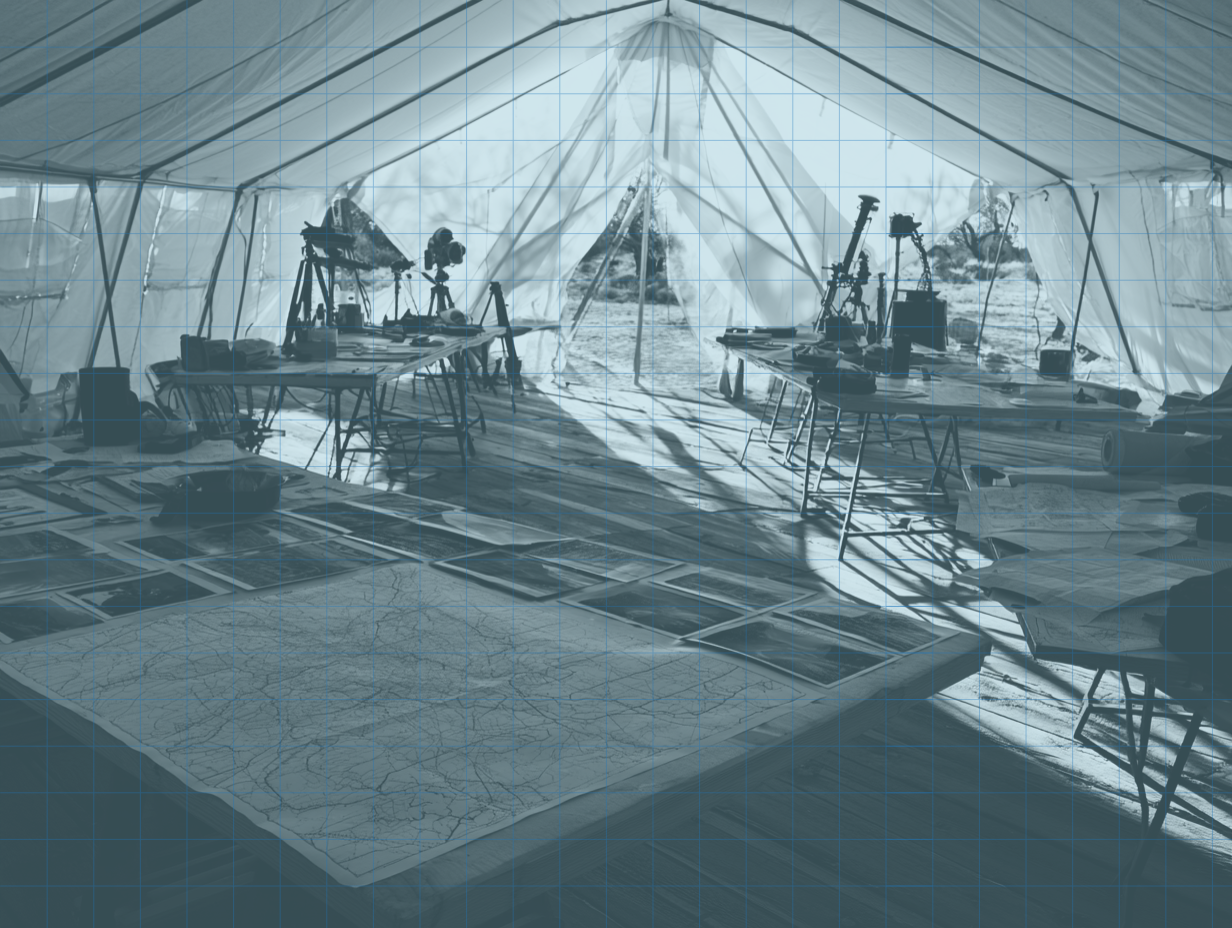
- Announced a free TechFreedom taster session - https://luma.com/qdqzb9xg


Writing
I also published Put down the firehose, which is really a continuation of the local-first AI stuff I’ve been thinking about for a while.
The basic argument is that most of the time we probably don’t need the biggest model we can get hold of. We’ve got used to using frontier models like a firehose. Throw a load of stuff at them, burn some tokens, and they’ll probably work out what we meant. And they often do. That is part of the problem.
But when you work with small local models, you lose that luxury. You have to be more precise. You have to think about context windows, timeouts, tooling, routing, prompts, and what the model is actually there to do. You have to design the process properly.
Constraint is often good (Is the best way to actually make AI work in an organisation to focus on constraints?)
Better privacy, better energy use, better cost. I think it can make better products because it forces better thinking. You stop pretending AI is the whole system(unless it actually IS) and start treating it as one part of a system. Some things should be embeddings. Some things should be structured data. Some things should be normal software. Some things should be small local models. Some things, occasionally, might need a bigger model.
Switch up what we think of as our defaults.
Running, B&Q and late nights
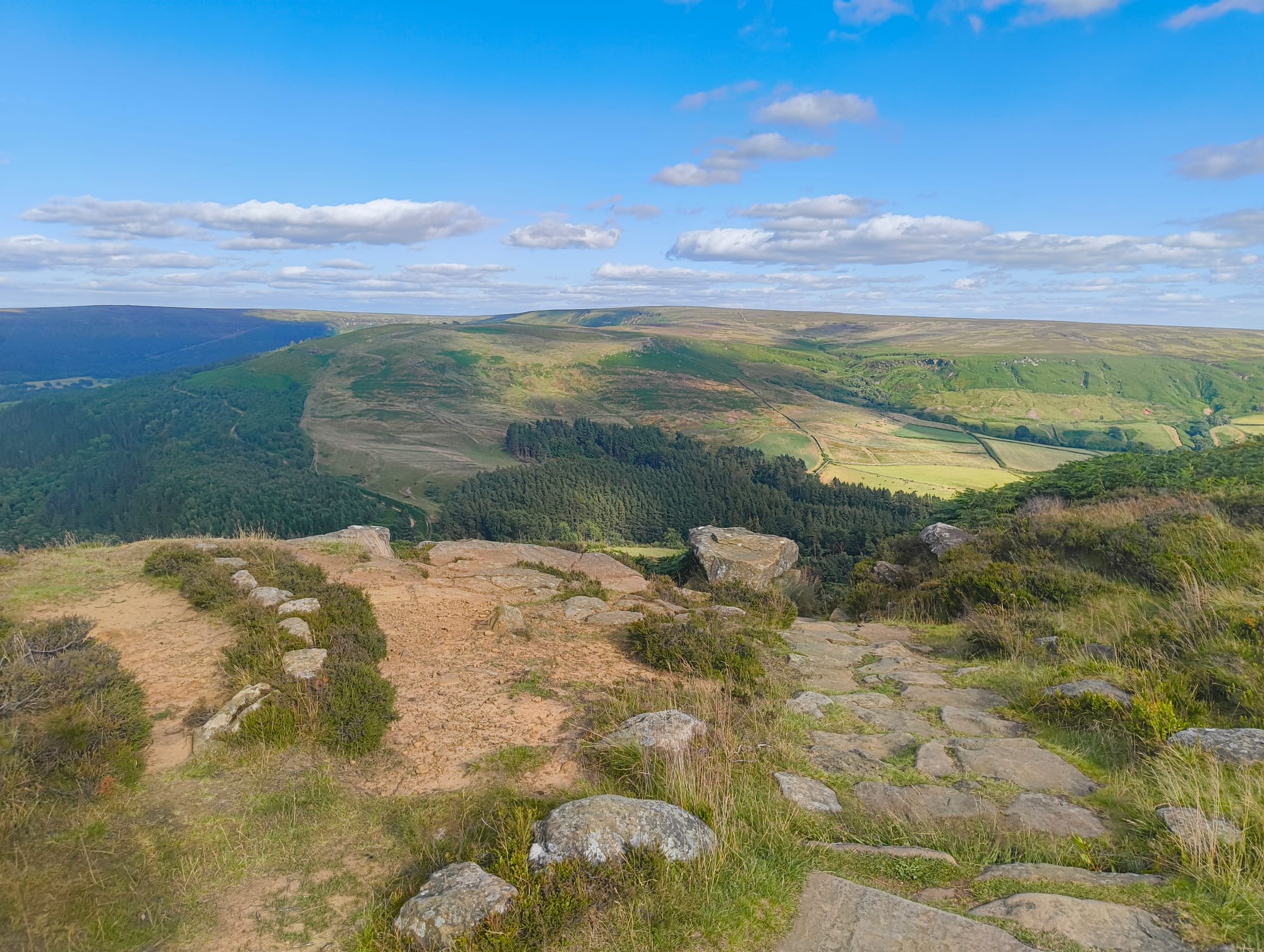
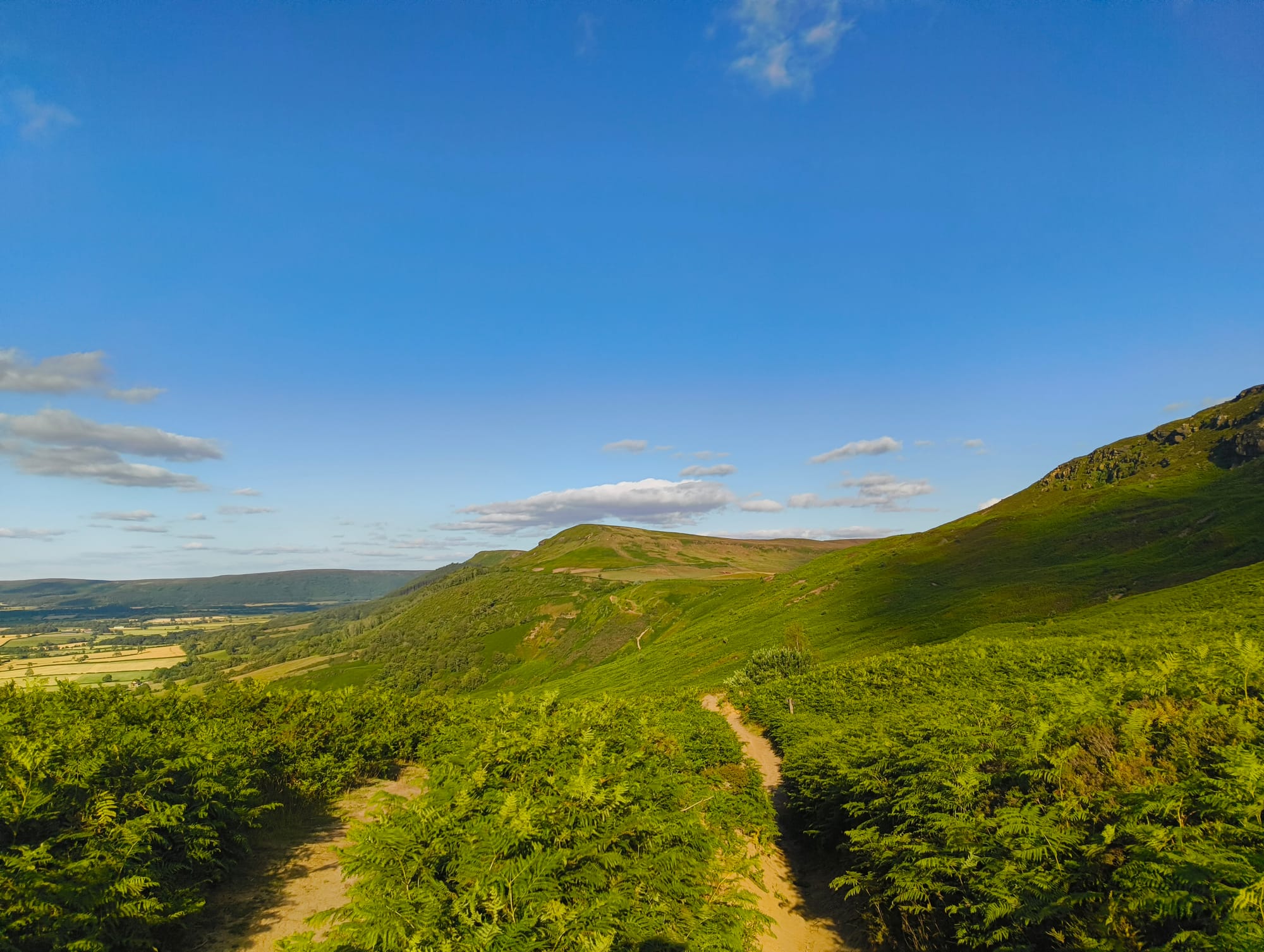
Thursday was more finishing client documents and getting things done, but I also managed to get out into the hills for one of my favourite runs over in North Yorkshire.
Then my child didn’t get home until half ten that night, which meant I spent about two and a half hours waiting around in a B&Q car park. Lovely stuff.
I was originally in the B&Q car park because I was getting insulation and various bits for the campervan conversion, so at least it was on theme.
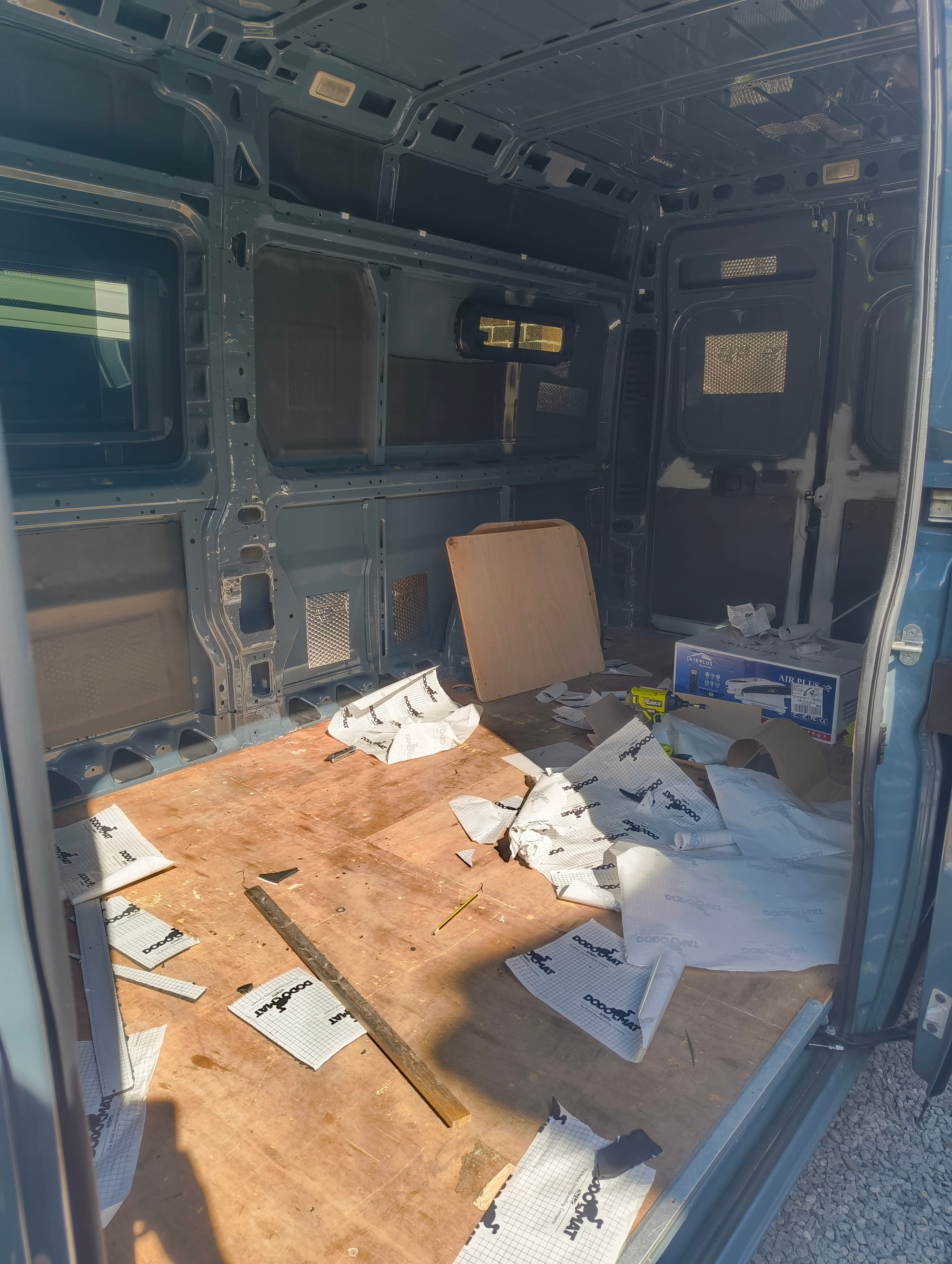
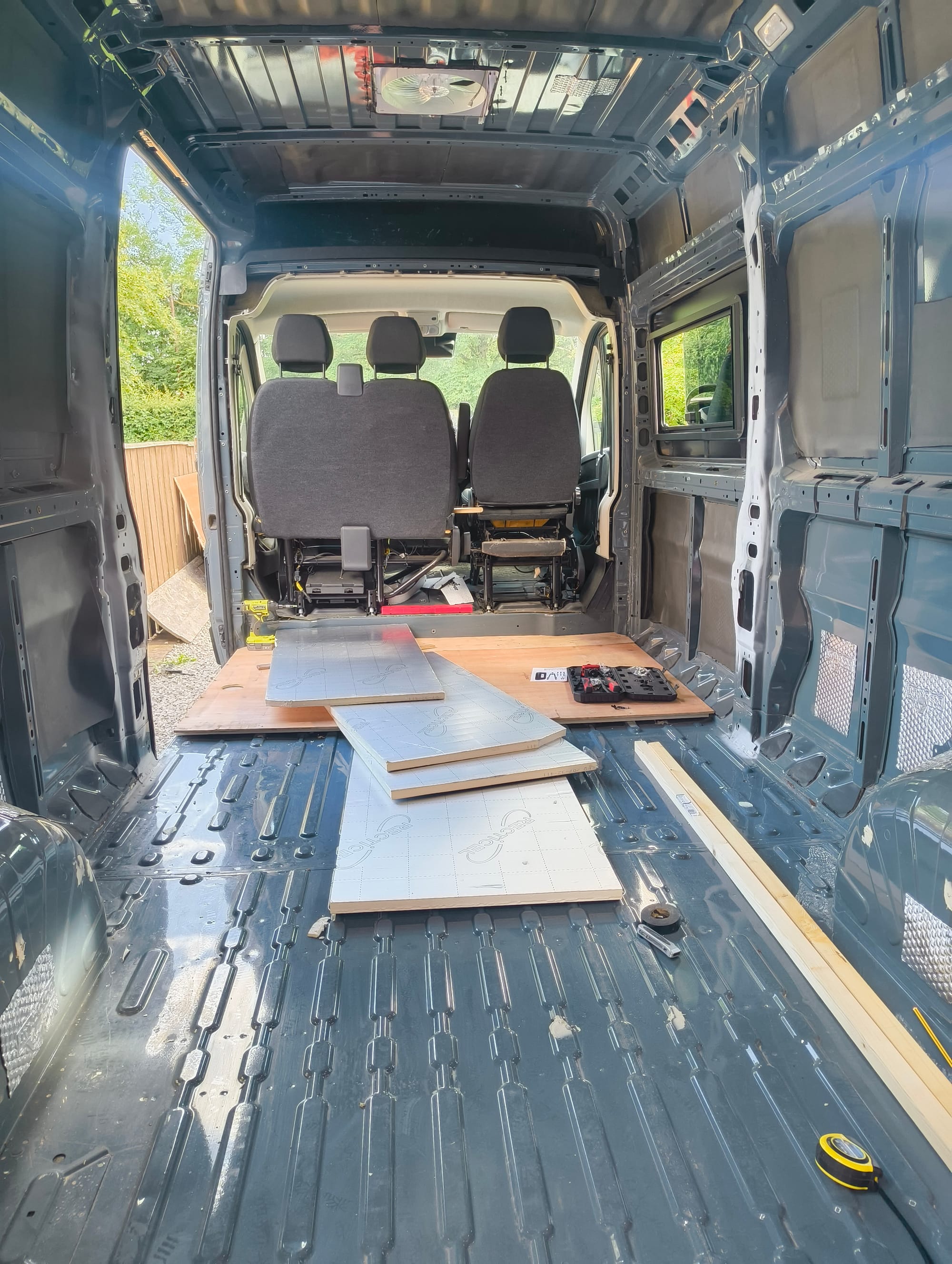
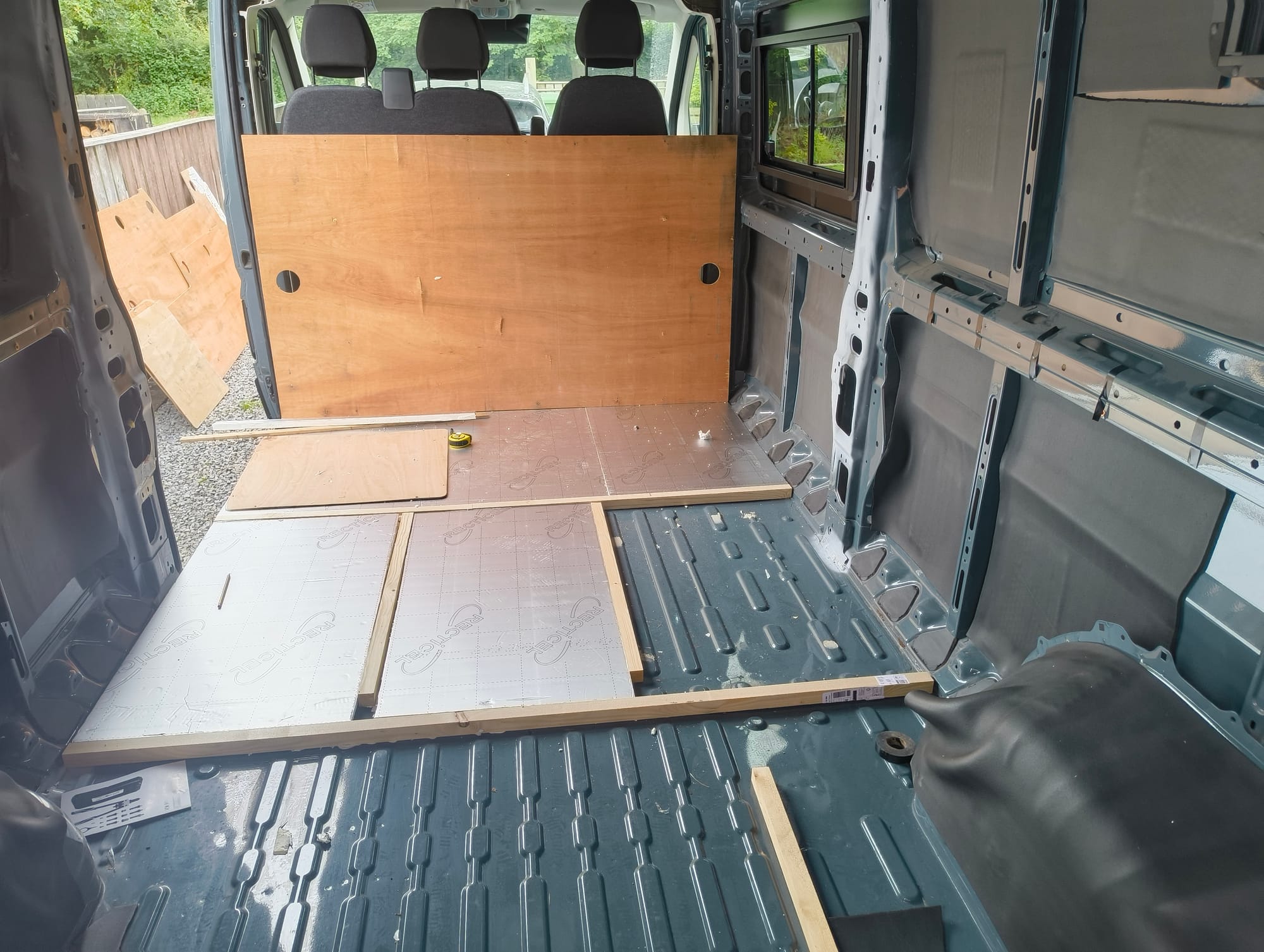
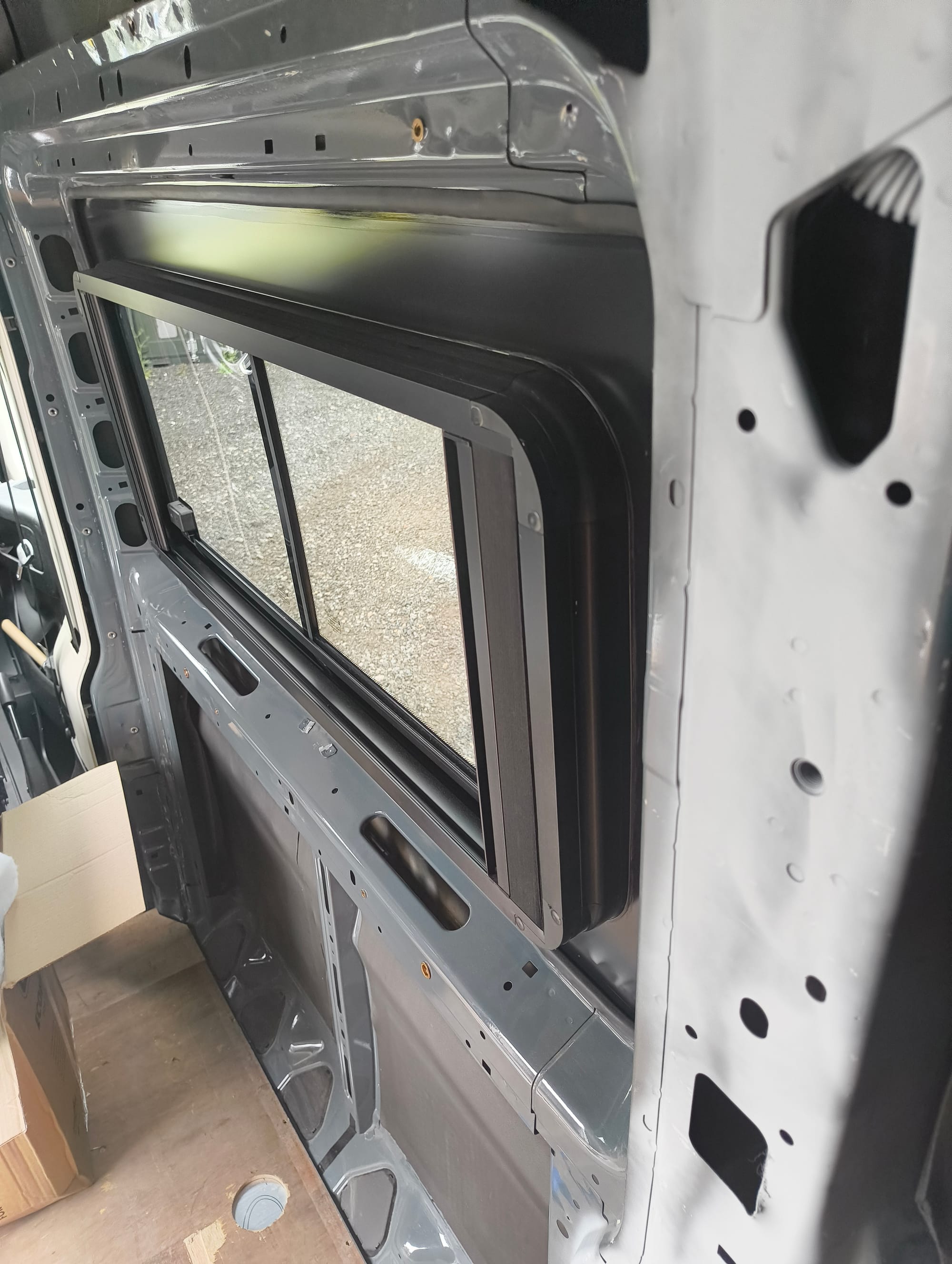
The campervan is now at the stage where every tiny decision seems to affect every other decision. Insulation, ply thickness, ceiling panels, walls, bed frame, electrics, fixings, rattly rear doors, all of it.
It is fun, but it is also a very practical lesson in sequencing. And in how many times one person can think about plywood in a single week.
Food
I made one of my famous mushroom and lentil wraps. Fresh wrap. Lots of vegetables. Mushroom and lentils. Bits of halloumi. Absolutely banging.
Also, I got a very nice pastry from Pink Lane, my favourite bakery in Newcastle, and remembered this time to use the voucher Jo had given me. (thanks jo)
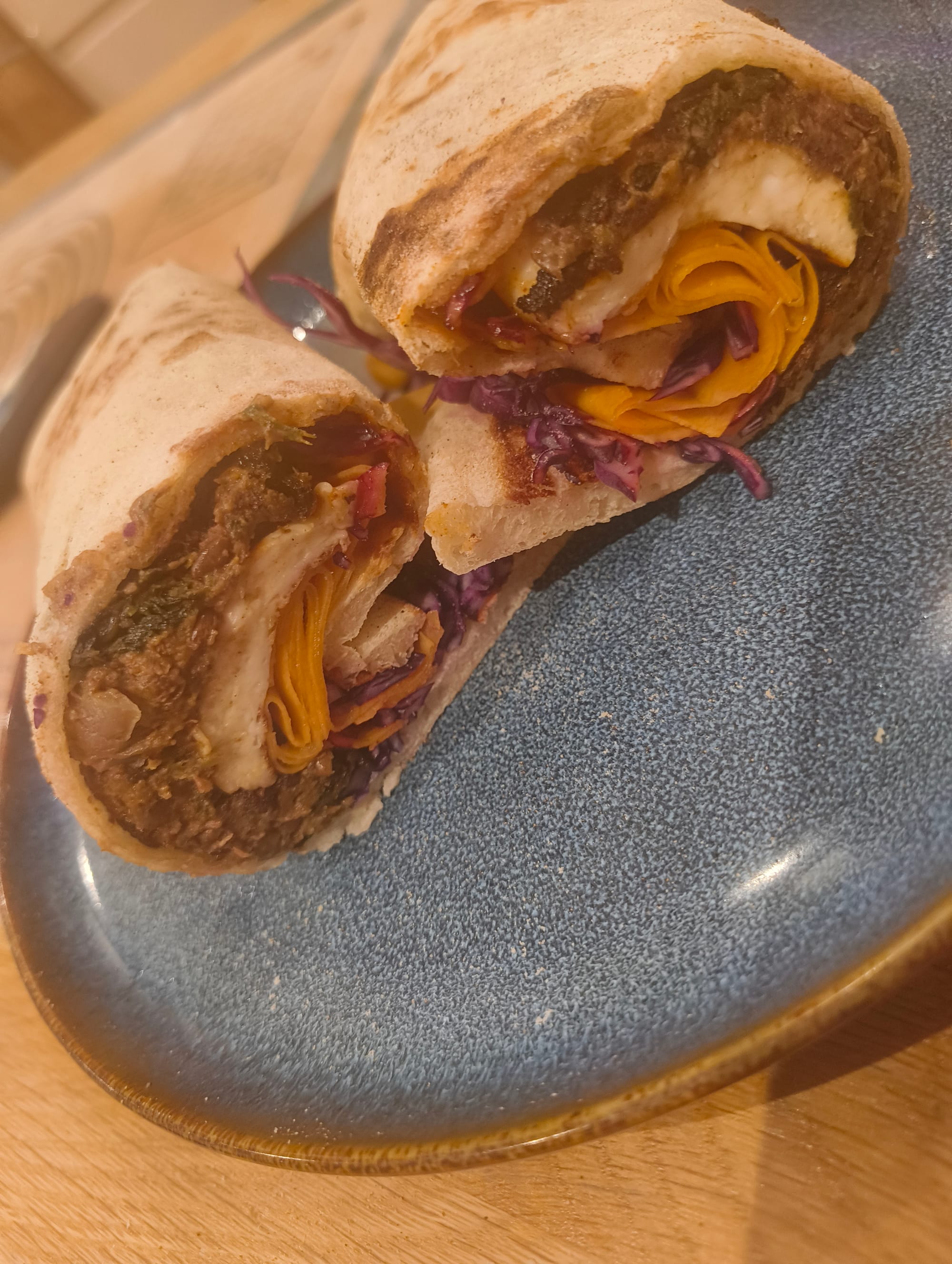

Obligatory pastry and my mushroom and lentil wraps
Links This Week
- Three Ways to Give an AI Agent an Identity - Three ways to do it, and the plumbing that's reshaping all of them.
- Private — discode.ai - Your data stays on your device. Privacy as the default — for everyone.
- Calls to Action for a Flourishing and Just Digital Europe
- Expanding our Heat Resilience data to 50+ global cities
- Zoe Amar: How charities can plan for AI instability (one I contributed to)